In times of geopolitical conflict, reputation becomes as critical as reality. When uncertainty spreads, perception often travels faster than facts. For a global city like Dubai — which has carefully built its identity as a safe, stable, and thriving economic hub — managing reputation during regional conflict becomes a strategic priority.
Dubai sits at the cultural and economic center of the Middle East. Yet with the escalating tensions involving the United States and Israel on one side and Iran on the other, the region finds itself under a cloud of anxiety. Even when a city is not directly involved in a conflict, proximity alone can raise questions around safety, stability, and business continuity.
At such moments, silence is rarely neutral. It creates a vacuum that speculation quickly fills.
The first principle of reputation management during conflict is credible reassurance through transparent communication. In this regard, the Government of the United Arab Emirates has moved decisively and communicated calmly with both citizens and global stakeholders. Frequent updates, measured messaging, and clarity around safety protocols have helped prevent panic and reinforce confidence. The tone has been factual and composed — exactly what such moments demand.
The second priority is demonstrating responsible crisis management, even when disruptions are unavoidable. For instance, operations at Dubai International Airport have temporarily been halted and are expected to resume shortly. Thousands of travellers have found themselves stranded in the city. Rather than allowing the situation to spiral into panic or negative headlines, authorities have moved quickly to manage the humanitarian and logistical aspects of the crisis. Arrangements have been made to ensure the safety of passengers, with support mechanisms that include assistance with accommodation, subsidized or alternative stay options, and in some cases even complimentary flight arrangements to help affected travellers reach their destinations once operations resume.
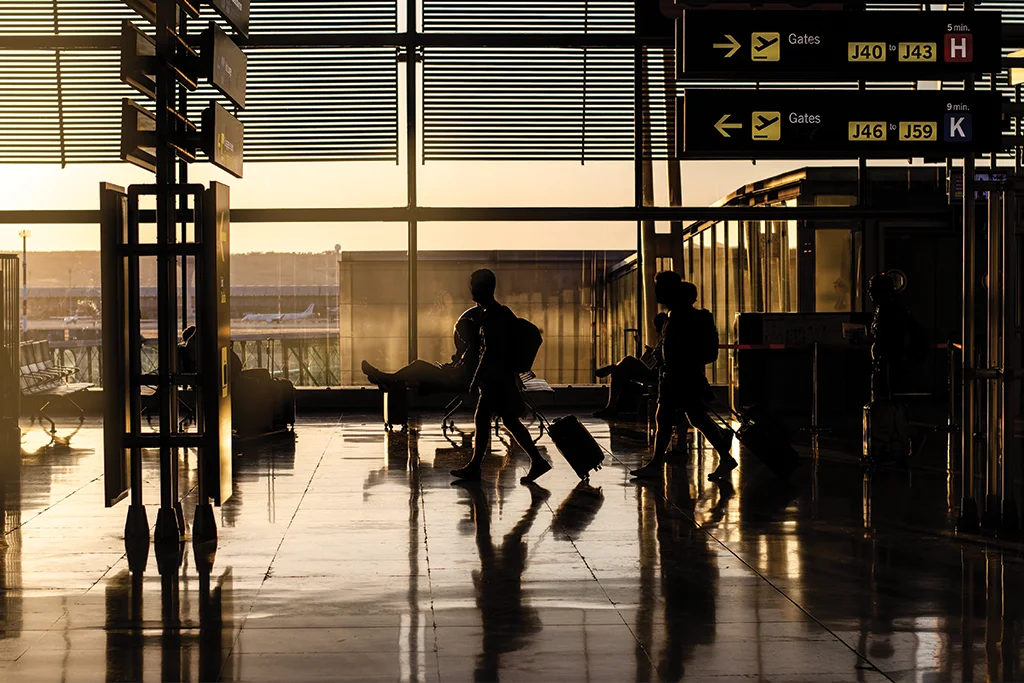

In moments like these, how a city treats those caught in disruption becomes a powerful signal of its governance and values.
The third pillar is institutional resilience. Dubai’s reputation has been built over decades through its ability to navigate shocks, from financial crises to global pandemics. Re-emphasizing preparedness, contingency planning, and governance strength reassures global audiences that the city is structurally capable of handling turbulence.
Another important lever is third-party validation. Continued support from international airlines, multinational companies, investors, and event organizers sends a strong message that confidence in Dubai’s long-term stability remains intact.
At the same time, it is important to acknowledge the reality of the moment: uncertainty exists. Conflicts evolve rapidly, and perceptions can shift just as quickly. In such an environment, reputation management cannot be static. Governments must be prepared to pivot communication strategies swiftly, respond to new developments in real time, and maintain a constant flow of credible information.
Ultimately, reputation management during conflict is not about optics. It is about stewarding global confidence. Cities like Dubai are not just geographic locations; they are global brands built patiently over decades. In uncertain times, protecting that brand requires disciplined communication, visible resilience, and the agility to adapt as circumstances change.
Because in moments of crisis, stability is not only something you maintain. It is something you must continually demonstrate to the world.
— Keyur Barad, Founder and CEO, Gecko