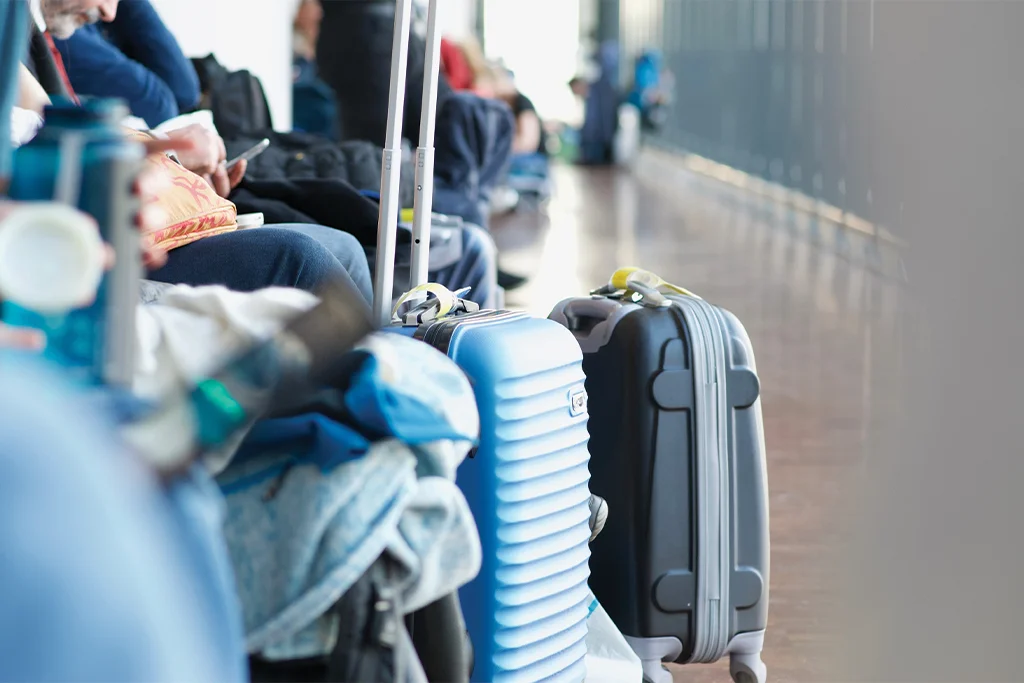
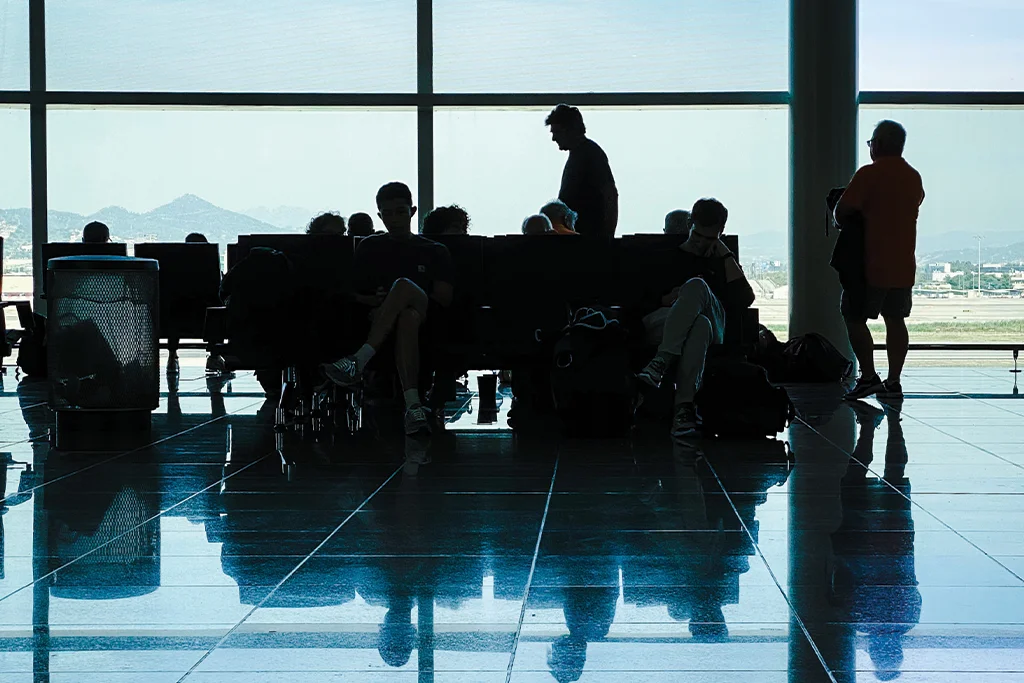
In December 2025, India witnessed one of the most severe aviation disruptions in recent memory. IndiGo, the country’s largest airline with over 60% domestic market share, cancelled more than 4,000 flights. While airports across major cities descended into chaos, passengers were stranded for hours with thousands of bags misplaced, serpentine queues stretched across terminals, and a complete breakdown of communication.
The catalyst for this crisis lay in crew shortages triggered by the implementation of the new Flight Duty Time Limitation (FDTL) norms at a time when the airline’s planning systems simply weren’t ready for the change. For an airline long hailed as the epitome of reliability and operational discipline, this moment represented something far deeper than a scheduling issue. It represented the erosion of a reputation that took years to build.
IndiGo was once known as the airline that flew on time, every time. In an industry where unpredictability is commonplace, IndiGo had built its image on consistency, and a low-cost carrier that behaved like a precision-led machine. But with this incident, the identity was left shaken. And when an airline of this scale stumbles, the impact is national. With on-time performance dropping to 35% and cancellations touching 170–200 flights a day, the country’s mobility infrastructure felt the tremors.
What stood out most sharply was the collapse of communication. Passengers repeatedly reported not receiving timely updates. Many didn’t know their flights were cancelled until they reached the airport. Others were left without alternatives, without clarity, and — more importantly — without empathy. Behind every cancelled flight is a deeply human story: someone missing a funeral, a student unable to travel back to college, a businessperson losing a critical meeting, a family separated on a day that mattered. These small emotional heartbreaks collectively become the largest blow to a brand.
As a reputation architect, I believe IndiGo’s challenge today is not merely operational recovery — it is reputational recovery. Fixing aircraft schedules is only one part of the problem; rebuilding public trust is the real work.
The first step must be absolute transparency. The airline needs to acknowledge, in clear terms, what went wrong and what structural gaps allowed it. A generic apology is no longer enough. People want clarity and accountability. IndiGo must share a measurable, time-bound recovery roadmap — not optimistic assurances, but concrete steps that show the airline is in control again. The communication gaps must be addressed with urgency. During a crisis, frequent, multi-channel updates are not optional; they are essential.
Equally important is the overhaul of crew planning and rostering. The FDTL norms are here to stay. Rather than reacting to them, IndiGo must redesign its planning systems around them. That means deeper fatigue modelling, better crew forecasting, stronger reserves, and contingency buffers that reflect the scale at which the airline operates. A company that carries two-thirds of India’s flyers must build redundancy into its systems. Anything less is irresponsible.
But beyond all the structural fixes lies something even more crucial — empathy. IndiGo must demonstrate that it sees its passengers not as PNR numbers, but as people. That means proactive support at airports, faster refunds and rebookings, dedicated help teams, and more visible leadership during disruption. In times of crisis, brands are remembered not for their efficiencies, but for their humanity.
Once stability returns, IndiGo’s longer-term task is to reshape its narrative. It can no longer simply position itself as “India’s on-time airline.” That title has slipped. What it can become instead is India’s most reliable airline — not perfect, but resilient; not flawless, but honest; not transactional, but deeply customer-first. Reliability is not about every flight being on time — it is about the customer knowing that even if something goes wrong, the brand will take care of them.
To rebuild trust, IndiGo must communicate openly with regulators, media, and passengers. It must invest in crew morale and mental resilience, because customer experience in aviation begins with employee experience. And it must demonstrate — consistently and visibly — that this crisis has led to meaningful internal introspection.
IndiGo’s current reputation problem is serious, but not irreversible. Brands do not lose trust because things go wrong; they lose trust when they fail to acknowledge, communicate, and correct. This is IndiGo’s moment of truth. If it responds with transparency, empathy, and relentless operational discipline, it can emerge not just restored, but stronger.
Crises do not break brands. They reveal them.
And how IndiGo chooses to respond in the coming weeks will define how India chooses to remember this moment. The airline now has the opportunity to turn a very public setback into a rare chance to rebuild its reputation from the inside out — with honesty, humility, and a renewed commitment to the people it serves.
— Keyur Barad, Founder and CEO, Gecko